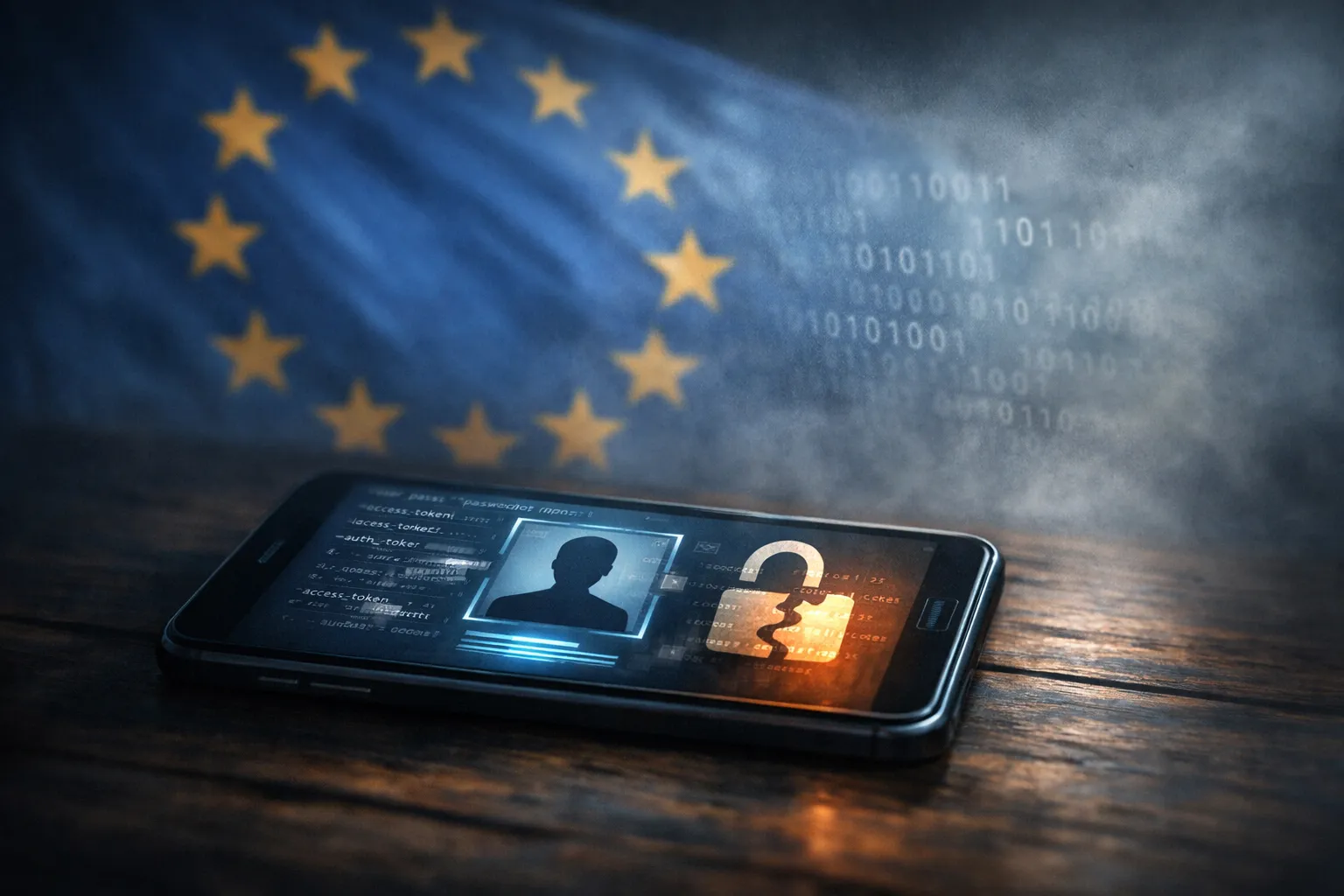
The European Commission unveiled its open-source age verification app on 14 April, with Ursula von der Leyen calling it technically ready and built to the highest privacy standards. Within 48 hours, UK security consultant Paul Moore demonstrated a full authentication bypass in under two minutes using only a text editor. More than 400 researchers had already called for a moratorium. Brussels is preparing to roll the same code into national digital identity wallets.
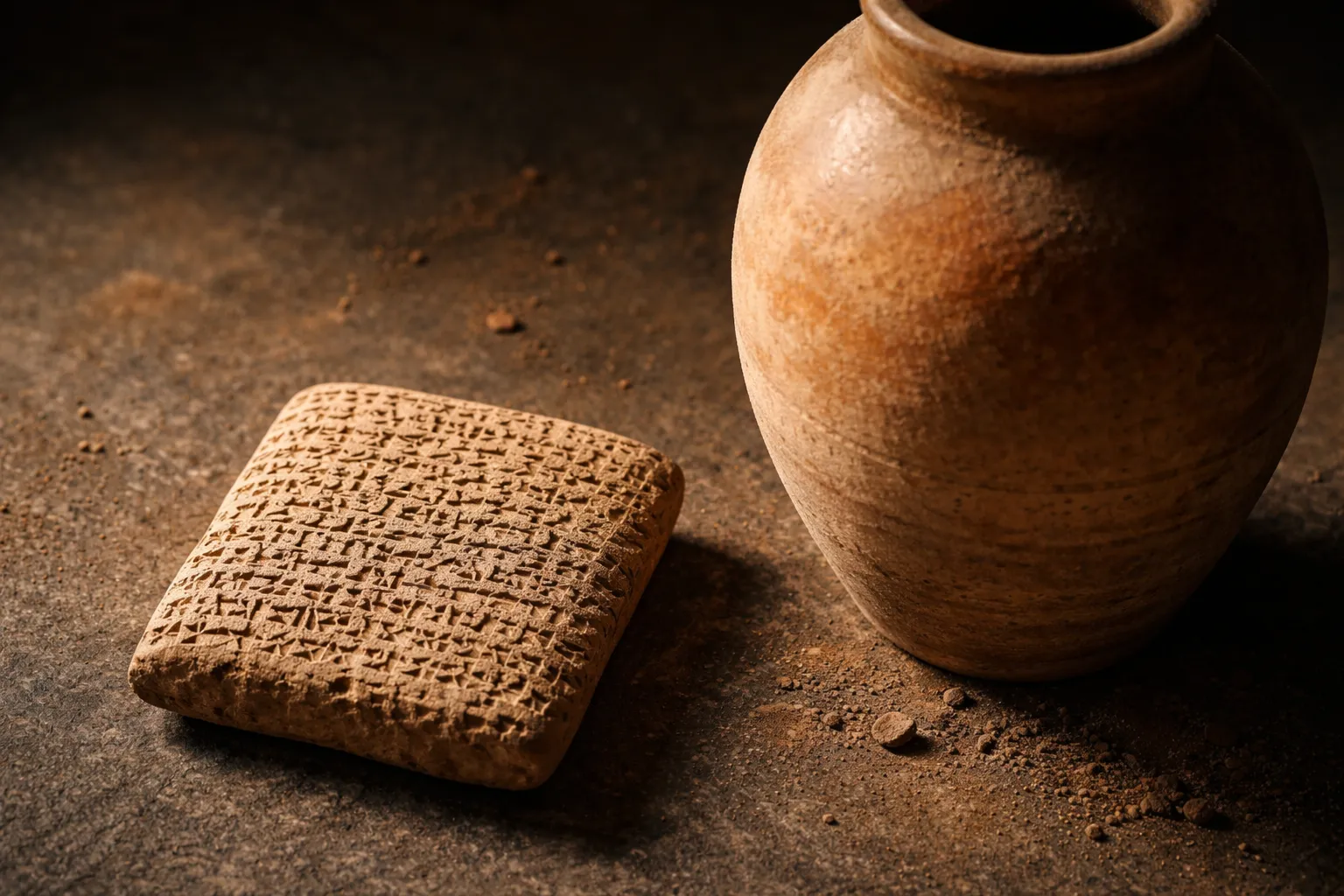
A clay tablet sitting unread in Copenhagen for over a century has finally been deciphered, and it turns out to be a beer bill from 2000 BCE: 16 liters of premium and 55 liters of regular beer delivered by a man named Ayyali to workers in the Mesopotamian city of Umma. The find, part of the Danish Hidden Treasures project, opens a window onto the bureaucratic system that built the world's first cities and invented writing itself.
Amy Eskridge, an antigravity researcher in Huntsville, died in 2022 of a recorded self-inflicted gunshot wound. This week she became the eleventh name on a list of US scientists and military researchers who have died or vanished, prompting a White House review and FBI involvement. The list collapses three very different stories into one. Two cases are solved homicides with named killers. Five others, clustered in New Mexico and California, are genuinely unexplained.
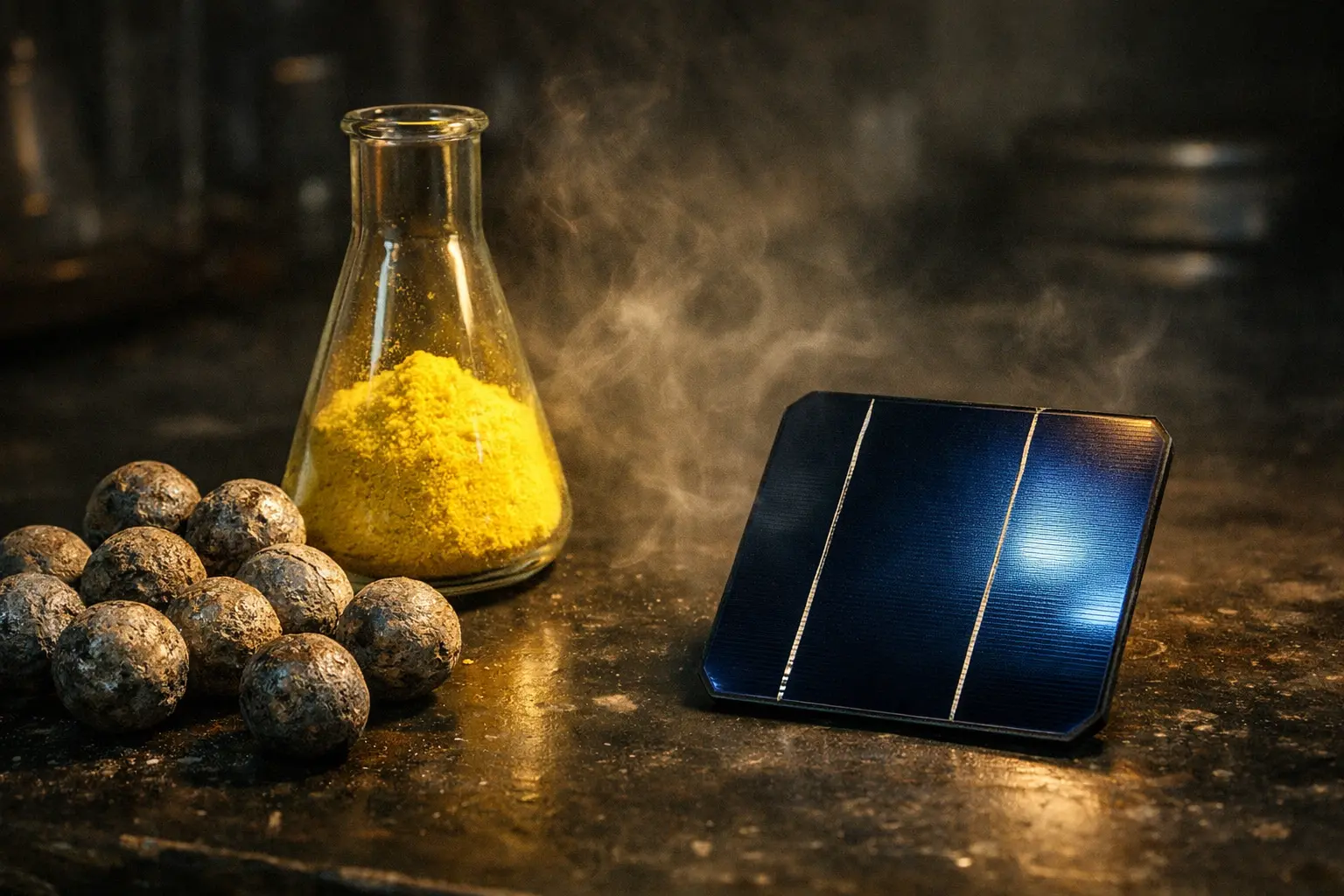
Researchers at Germany's Forschungszentrum Jülich bought 17th-century lead musket balls on eBay and converted them into photovoltaic-grade lead iodide using non-aqueous electrochemistry and inverse temperature crystallisation. The resulting perovskite solar cells hit 21 percent efficiency, indistinguishable from devices made with commercial five-nines precursors. The experiment, published in Cell Reports Physical Science, points toward a circular supply chain where toxic legacy lead feeds the next generation of solar panels.
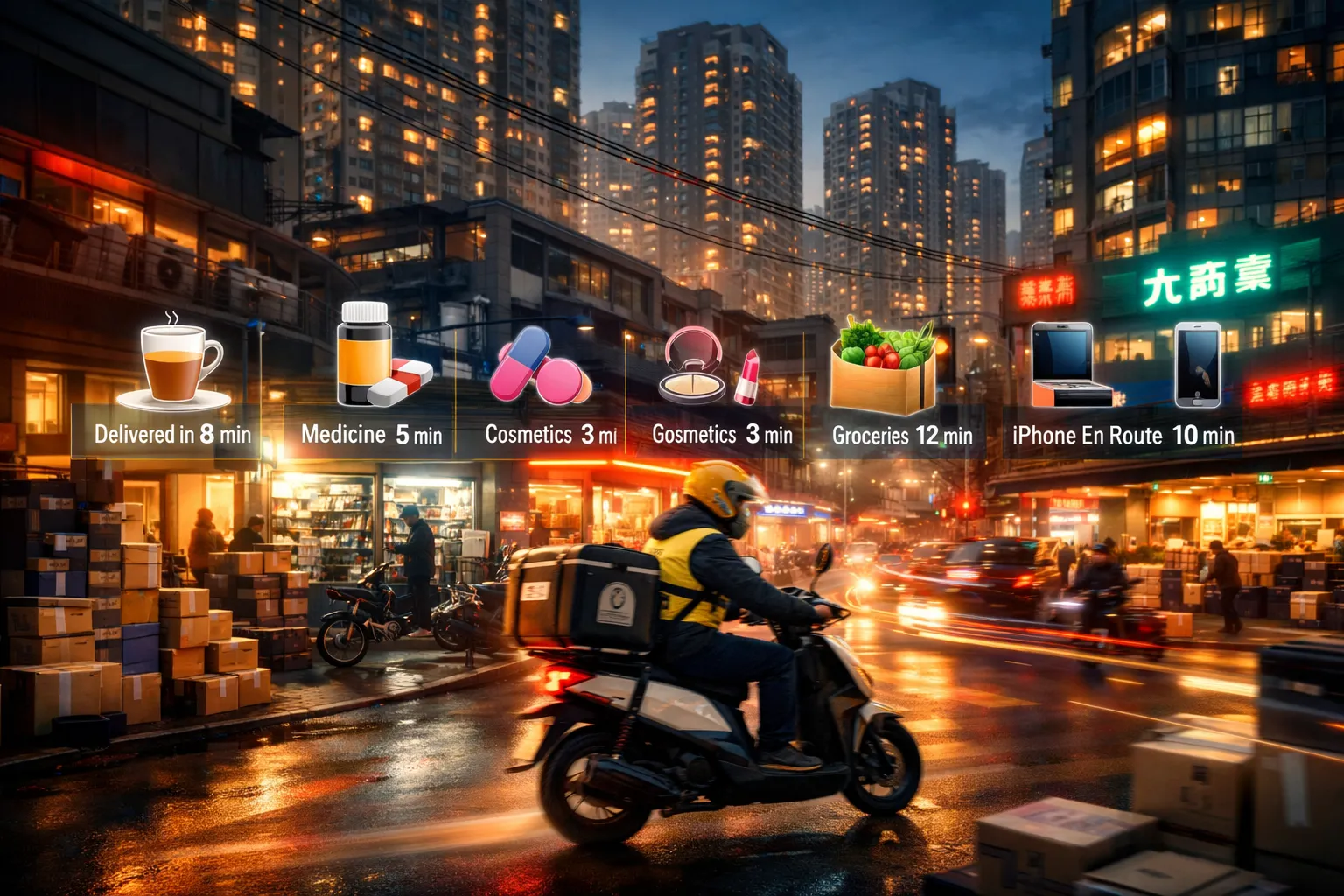
China’s 30-minute economy is transforming retail through instant delivery, hyper-local flash warehouses, AI logistics, and dense urban infrastructure. Consumers can order groceries, electronics, medicine, beauty products, and household essentials in under half an hour. Led by Meituan, JD.com, and Alibaba, this booming instant retail model is reshaping shopping habits, pressuring traditional stores, and setting a new global benchmark for same-day and ultra-fast delivery.
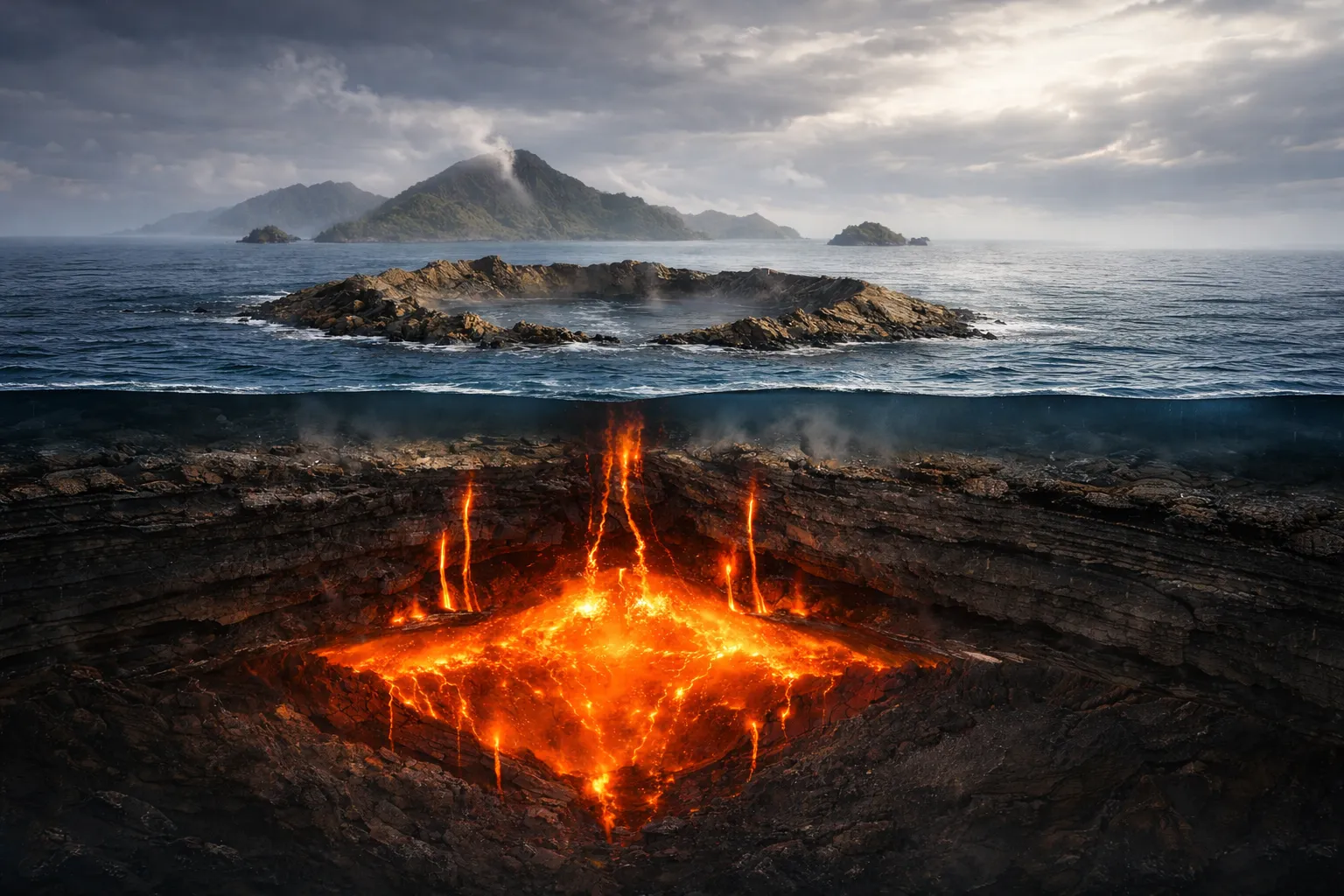
New research on Japan’s Kikai Caldera suggests the supervolcano that produced the largest Holocene eruption is refilling with fresh magma. Seismic surveys beneath the submerged caldera revealed a shallow magma reservoir fed by new melt, not leftover material from the 7,300-year-old Akahoya eruption. Scientists say this magma re-injection process may also help explain how other giant calderas, including Yellowstone and Toba, remain active over long geological timescales.
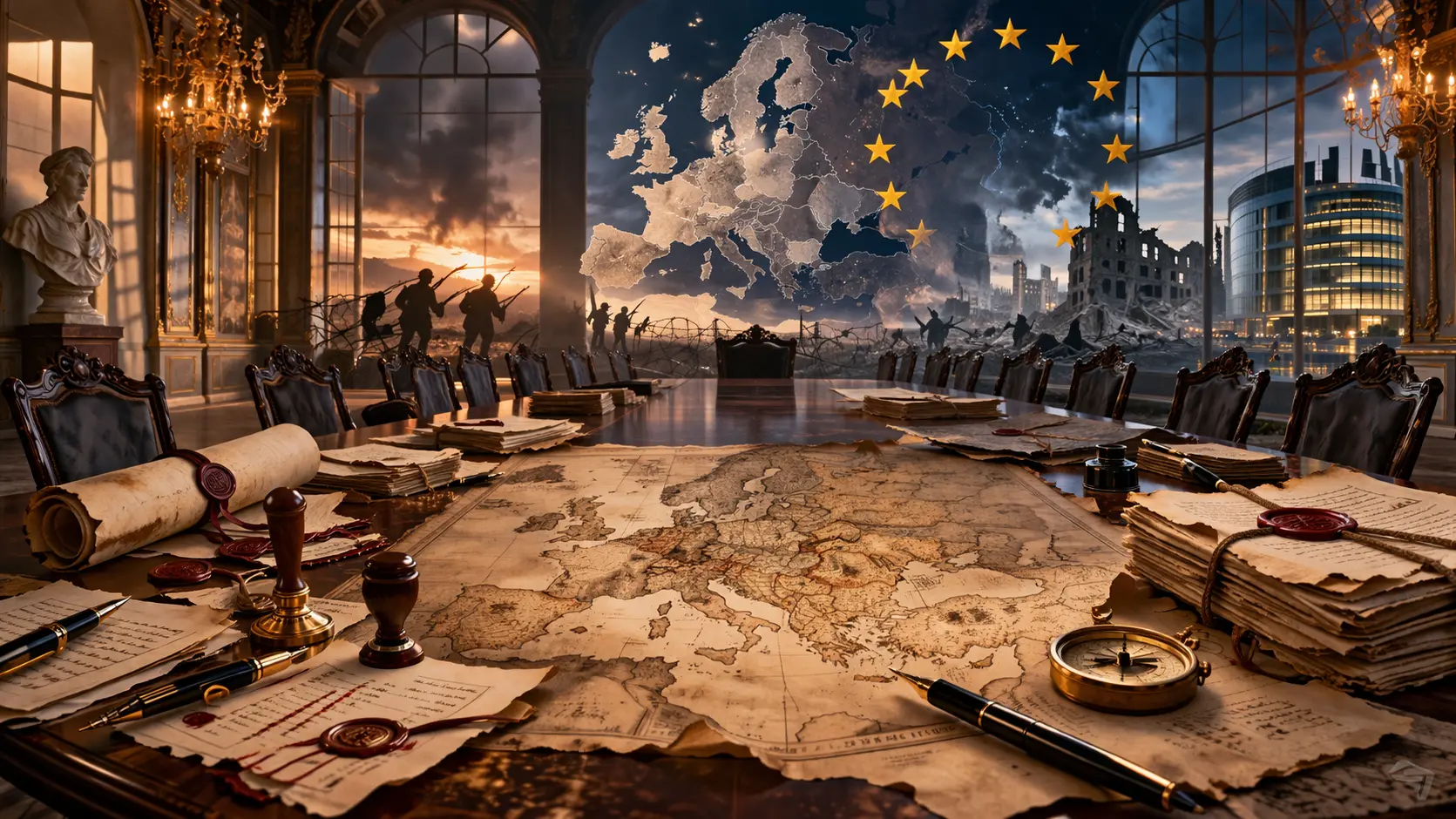
This article traces how modern Europe was shaped by two centuries of treaties, wars, and political reinvention. From the Congress of Vienna and the Treaty of Versailles to Yalta, the Marshall Plan, and the rise of the European Union, it shows how diplomacy, conflict, and reconstruction forged today’s Europe. It explains why Europe’s borders, institutions, and fragile unity can only be understood through the continent’s long and violent history.
Turkey is trying to stay neutral in the U.S.-Israel war on Iran while managing major security, energy, and diplomatic risks. Ankara fears Kurdish instability on its border, missile spillover into Turkish territory, gas supply disruptions, and wider regional chaos. At the same time, Turkey is positioning itself as a key mediator between Washington, Tehran, and Arab states. Its strategy is clear: keep Iran weakened, but prevent its collapse and contain the fallout.